
Europe once called the Ottoman Empire the “sick man”. Today, it is confronting an illness of its own. For years, it took its prosperity, its democracy and its global pre-eminence for granted. It grew accustomed to a world in which crises happened elsewhere and Europe prescribed the remedies. Now, the anger on France’s streets is exposing the cracks beneath the continent’s carefully guarded self-confidence.
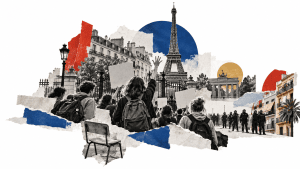
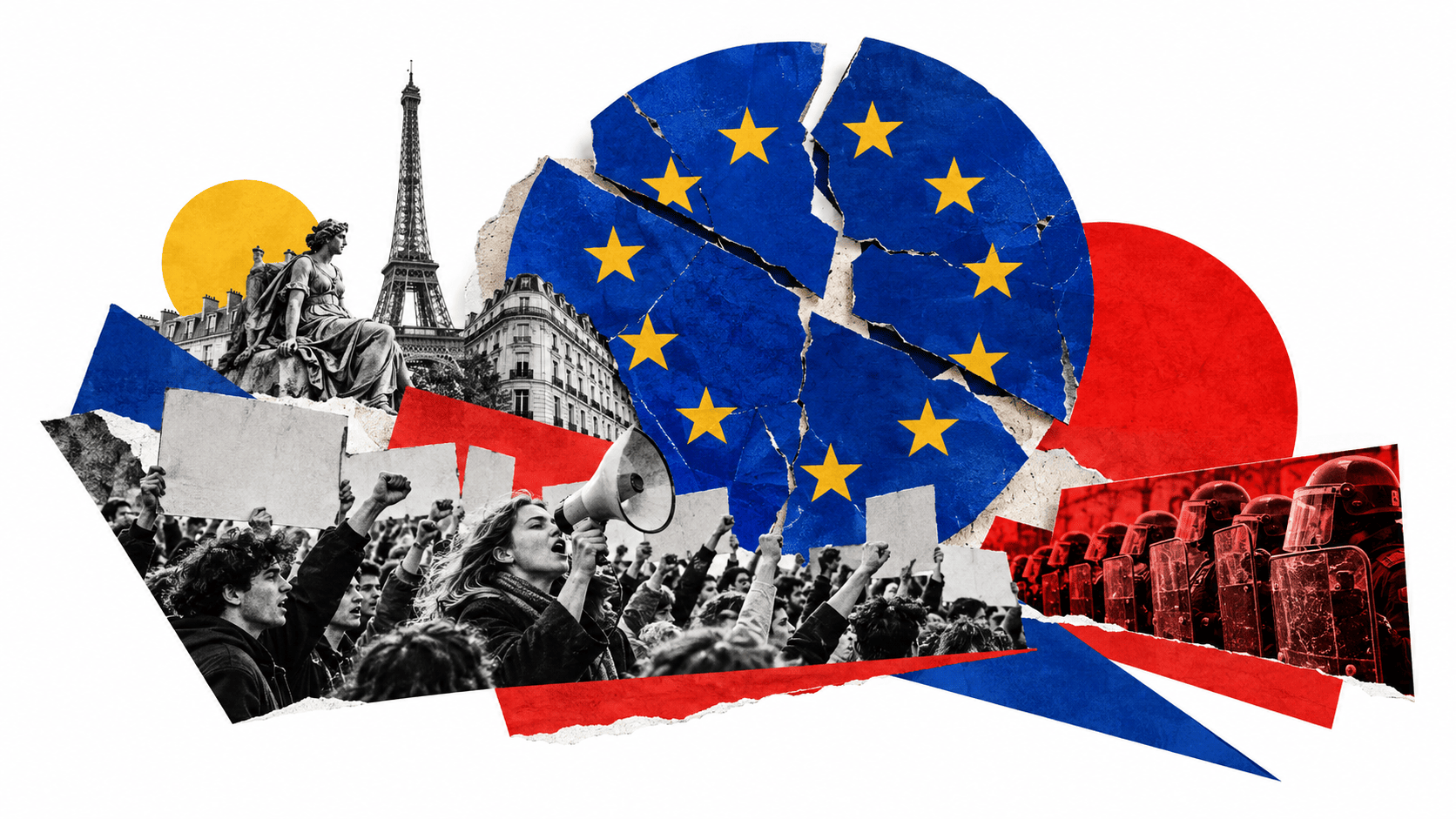
In France, protests that began outside secondary schools are drawing in university students, teachers and parents. What started as a movement against failings in education has laid bare a crisis of trust between the government and society. Although the government says protests have subsided at some schools, trade union calls for support show that the unrest has long since spread beyond the school gates.
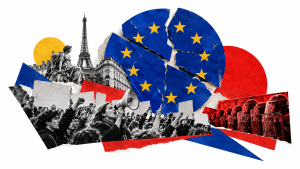
Police violence, meanwhile, has moved to the centre of the debate. According to figures released by the French Ministry of Justice on 5 October, 5,060 people had been placed in police custody, 87 per cent of them minors. Serious injuries, lawyers’ accounts of mistreatment and investigations into police conduct are putting Europe’s human rights rhetoric to the test on its own streets. The duty to maintain public order cannot excuse disproportionate force. A government that treats young people’s grievances solely as a security problem only deepens the crisis it needs to resolve.
Europe’s real illness is believing it can shape the world without questioning itself
The unrest extends beyond France. In Germany, young people are protesting against conscription and compulsory military medical examinations; in Spain, crowds are taking to the streets over housing that has become unaffordable. Their demands differ, but they share the same anxiety about the future: as governments ask their citizens to make ever greater sacrifices, what kind of life are they offering in return?
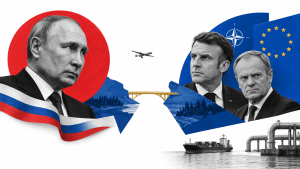
The rest of the world is not waiting for Europe to recover. Trump’s tariff threats show that alliances offer no protection against economic pressure. Competition from Chinese industry and technology is straining Europe’s productive strength, while wars from Ukraine to the Middle East are upending its energy security and defence calculations. Increasingly, Europe finds itself reacting to decisions made elsewhere on matters that will determine its own future.
Behind this predicament lie an ageing population, sluggish productivity growth and delayed political decisions. The EU’s median age has risen to 44.9. Yet what truly ages a continent is less the passage of time than the loss of the will to renew itself. The report prepared by former European Central Bank president Mario Draghi spells out the danger: Europe’s population is ageing, productivity growth is slowing and high energy costs are squeezing its industry. Preserving the continent’s prosperity requires renewed investment in technology and production. Europe’s political test is whether it can turn that diagnosis into concrete decisions.
Europe still has formidable strengths. But past achievements cannot provide unlimited credit for present failures. A Europe that fails to listen to its own people, applies its professed principles selectively and assumes its global standing will endure of its own accord is eroding its credibility along with its economic power.
The most dangerous consequence could be the appropriation of public anger by extremist groups. An unchecked cost-of-living crisis and fear of the future can easily be channelled into racism and hostility towards immigrants. Those most easily scapegoated then end up paying the price for problems their governments have failed to solve.
If Europe cannot renew itself, the idea of a shared future may give way to societies that blame one another and states that turn their backs on each other. That could set in motion a process of disintegration capable of bringing the European Union to an end.
The “sick man” diagnosis has come back to haunt Europe. The first step towards recovery remains the same: admitting that it is ill.