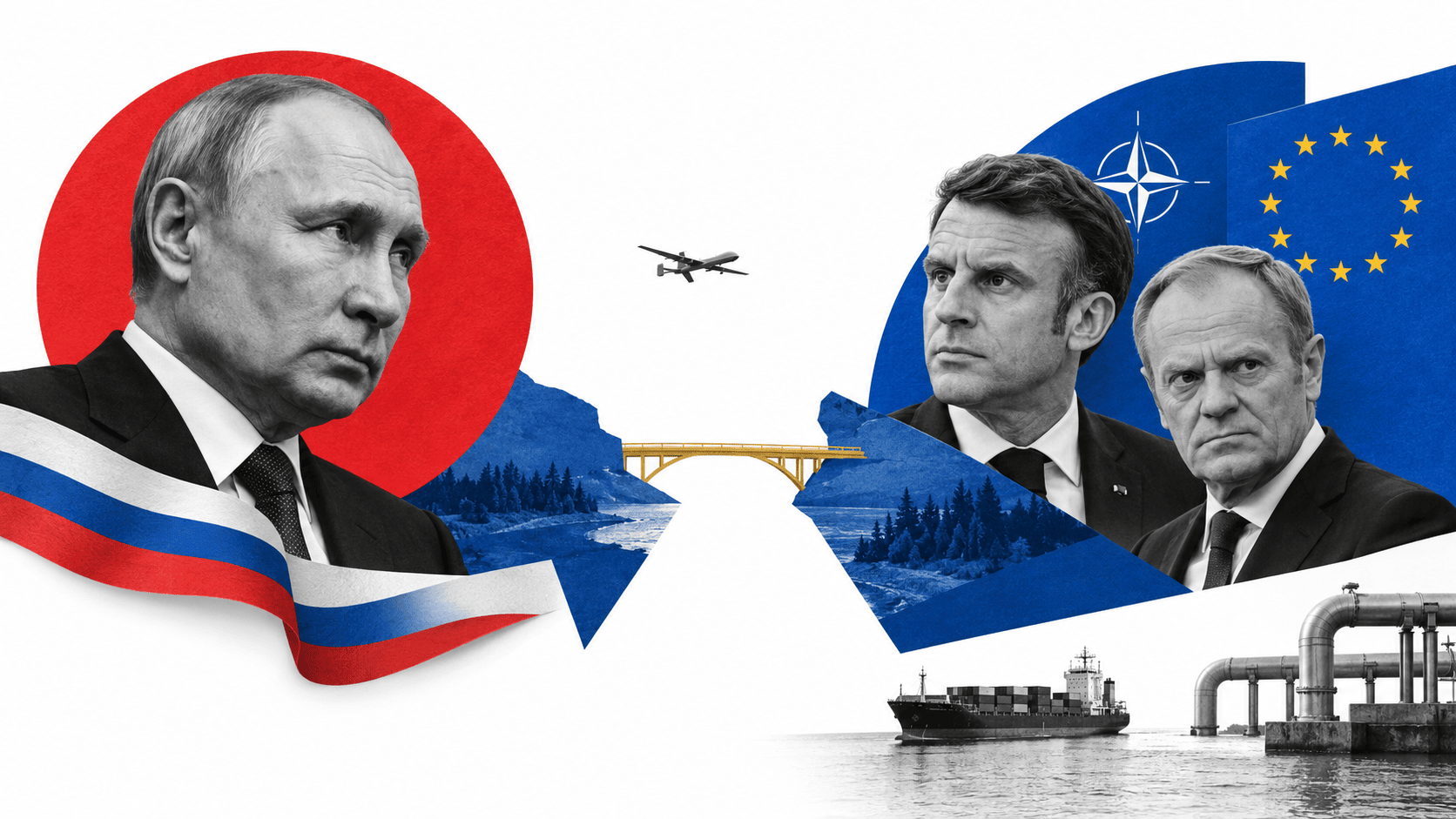
The effects of the war in Ukraine are now being felt far beyond the front lines. The large-scale drone attack on the Moscow region on 20 September, which damaged an oil refinery in the capital, once again underscored the central role of energy infrastructure in the conflict. Meanwhile, growing concern across Europe has focused on an apparent increase in hybrid activity, including airspace violations, suspected sabotage and threats to critical infrastructure.
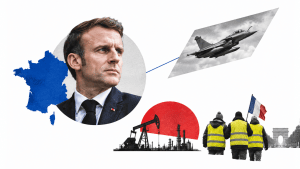
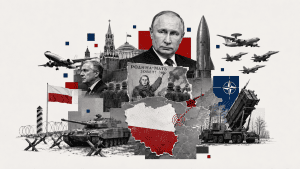
Polish Prime Minister Donald Tusk’s warning of possible attacks on NATO territory brought those fears into sharper focus. French President Emmanuel Macron’s decision to convene political leaders and intelligence officials on 18 September likewise signalled a shift in how Paris views the threat.
These developments suggest that European governments are preparing their populations for a more challenging security environment. The central question is whether they can strengthen deterrence while keeping fear and further escalation in check.
The real test is NATO’s willingness to act together
One possible aim of the hybrid activities attributed to Russia is to make European countries feel that their support for Ukraine carries a cost for their own security. Cyberattacks, sabotage and military pressure could all serve the same political purpose: unsettling societies, putting governments under strain and sowing divisions among allies.
In such a strategy, the uncertainty an attack creates matters as much as its scale. An act of sabotage whose perpetrators remain disputed, or a limited border incident, could divide NATO members over how to respond. What is being tested, then, is more than air defence systems or troop numbers: it is the ability to reach a shared assessment of the threat and make timely decisions.
This is precisely why the Suwałki Gap commands attention. The narrow stretch along the Polish-Lithuanian border lies between Russia’s Kaliningrad exclave and Belarus, providing the Baltic states with their land connection to the rest of NATO. Cutting transport routes through this area could seriously hamper efforts to send reinforcements to the Baltic states by land.
An attack would bring the political significance of NATO’s Article 5 back into focus. The article rests on the principle that an armed attack against one member is considered an attack against all. Each ally, however, provides the assistance it deems necessary, including the use of armed force; there is no mechanism requiring every country to deliver an identical military response automatically. The credibility of allied solidarity therefore also depends on the speed and coherence of the response.
European leaders’ statements cannot be viewed in isolation from domestic politics, either. Emphasising security threats can help build support for defence spending and persuade the public to accept economic sacrifices. For governments grappling with the cost of living and strained budgets, such rhetoric may also serve a political purpose.
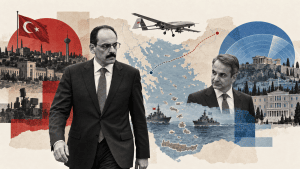
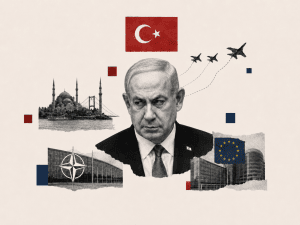
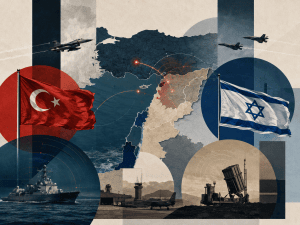
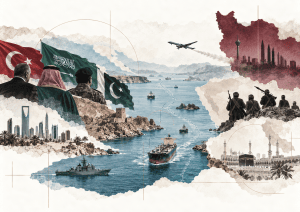
For Türkiye, this tension cannot be dismissed as a distant Baltic concern. An escalation between NATO and Russia could put maritime trade, energy infrastructure and regional security in the Black Sea under pressure. That is why Ankara’s proposal to Russia and Ukraine to halt attacks on civilian vessels in the Black Sea matters.
The world is also contending with the widening repercussions of another war. The war in Iran is disrupting Gulf energy flows and placing shipping routes from the Strait of Hormuz to Bab el-Mandeb under strain. A Reuters report dated 21 September highlights the pressure on maritime traffic along these routes.
As the conflicts in Ukraine and the Middle East increasingly interact through energy, trade and security, the question of whether a third world war is looming has returned to the fore. In these circumstances, the overriding need is to keep diplomatic channels open to prevent the wars from spreading. This is where Türkiye’s ability to maintain dialogue, both in the Black Sea and across regional crises, becomes increasingly important: preventing the next major war will depend not only on deterrence, but also on dialogue before it is too late.