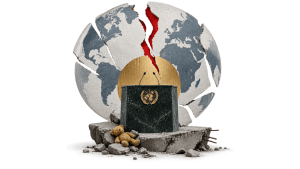

World leaders have gathered once again in New York for the United Nations General Assembly. The podiums are ready, the speeches prepared, the cameras rolling. The debates that began on 22 September are filled with grand pronouncements about the world’s future. Yet whenever I watch that chamber now, I find myself asking the same question: whose lives is any of this actually changing?
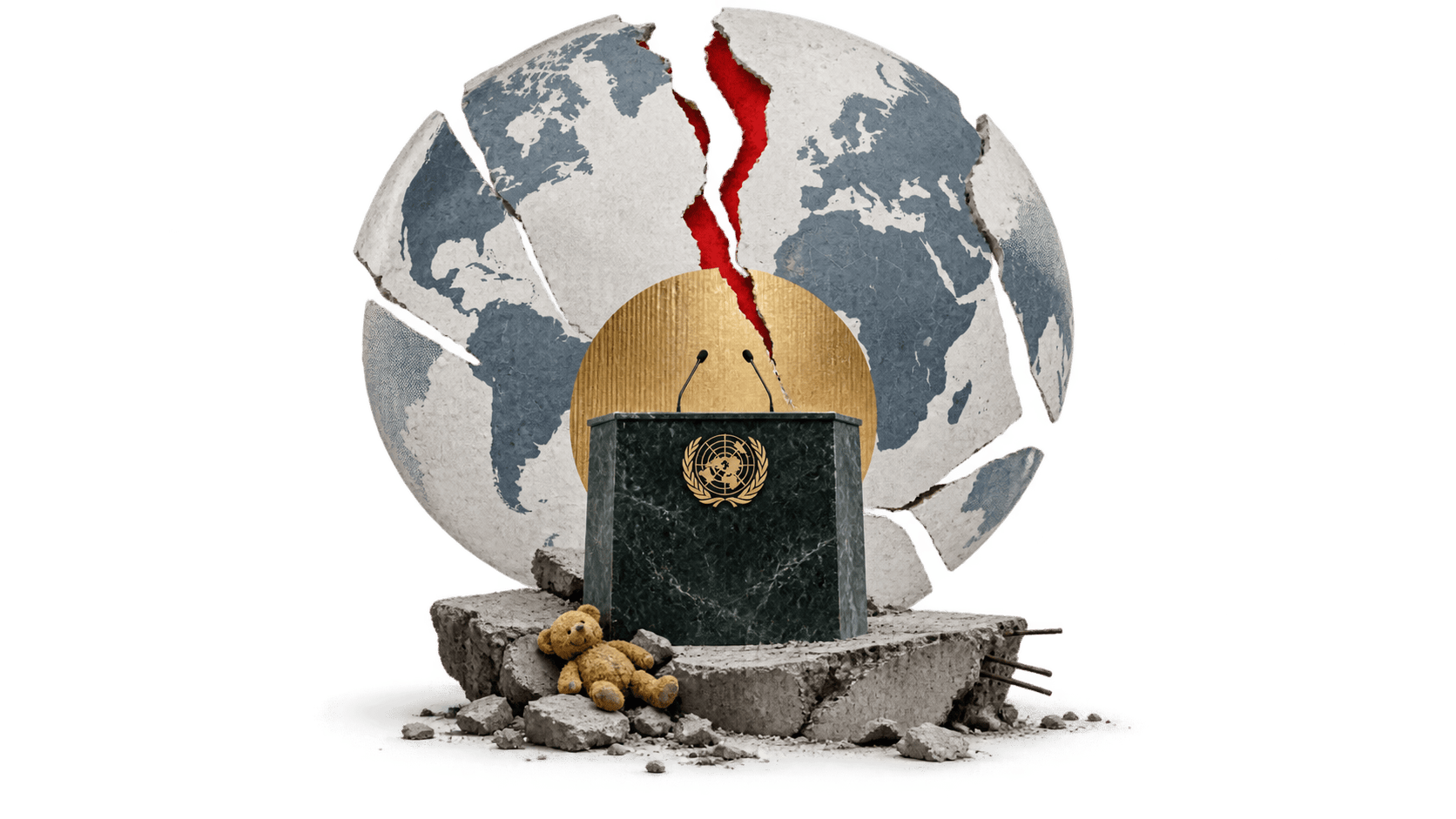
Why should the annual gathering of an institution that cannot stop a bomb from falling on a child, reach people before they starve, or stand behind its own decisions give us hope? We are tired of listening to expressions of “deep concern” while the world burns. We want to know what humanity gains from this ritual in which concern is shared and responsibility belongs to no one.
I wish I could ask everyone who takes that podium a single question: if your child were trapped beneath the rubble right now, would you still speak at such length? Could you wait for the next meeting, for diplomatic compromises, for your allies’ sensitivities to be taken into account?
Or would you set all those calculations aside and demand that someone save your child?
A mother in Gaza wants exactly that. So does a father in Ukraine rushing his child to a shelter in the middle of the night. So does a woman in Sudan with nothing to feed her child. None of them expects every failure of the international order to be fixed in a day. They simply want the people they love to live.
How much longer will we defend a world order that cannot even answer this most basic plea?
The suffering in Gaza is there for all to see: homes destroyed, families torn apart, lives cut short. In Ukraine, the longer the war goes on, the more reports of death become part of everyday life. In Sudan, hunger is stealing children’s futures. In Yemen, people have spent years waiting for the aid they need to survive. In Congo, we rarely even hear the names of the children growing up amid conflict.
Their suffering does not end when the cameras turn away.
And as if losing their homes, their livelihoods and their loved ones were not enough, people forced to flee are then blamed for everything that is wrong in the places where they seek refuge. Those who fail to stop wars act as though they have done their duty by closing their doors to the people escaping them. Once again, those who have lost everything are made to pay for humanity’s collective failure.
The Privilege of Five States Cannot Dictate the Fate of the World
I cannot accept that, in an institution called the United Nations, efforts to secure peace can be blocked by the privileges of five states. Any one of the Security Council’s five permanent members can veto a substantive resolution. The safety of millions of people is left to depend on whether the great powers can reach an agreement.
The United States, Russia, China, France and the United Kingdom have interests. Does the rest of the world not have lives worth protecting?
Why should a child’s birthplace determine whether their cry for help is heard? Why should the response to a mother’s grief depend on her country’s alliances?
You cannot expect humanity to accept the balance of power of 1945 forever. You cannot keep telling us that the world has changed, then insist that time stand still whenever your own privileges are challenged.
What angers me most is the way this helplessness is presented as inevitable.
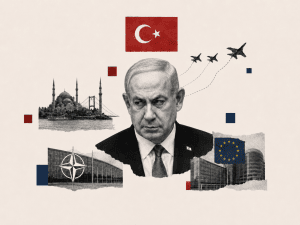
If you call for peace with one hand while fuelling war with the other, your words lose all weight. If you overlook abuses committed by your friends while condemning those of your rivals, no one will believe you when you speak of justice. The question of holding Netanyahu to account confronts us with the same issue: does having powerful allies place someone beyond the reach of the law?
The price of these double standards is not paid by today’s victims alone. Impunity also emboldens tomorrow’s aggressors. Every attack that goes unchecked, every crime that is covered up, tells someone else they can go further.
The world is on the brink of disaster. In Gaza, in Sudan, and for millions living through war and hunger, that threshold has already been crossed. If we can still speak of catastrophe as something that might happen, it is because our own homes have not yet been destroyed.
Still, I want to believe this order can change. I want an order in which protecting civilians is not up for negotiation, the law is not bent to accommodate allies, and decisions do not remain mere words on paper.
The speeches in New York will end. The delegations will go home. The cameras will be switched off. But somewhere, a mother will still be waiting beside the rubble.
She cannot wait until the next General Assembly.
I hope it is not yet too late to change this order.