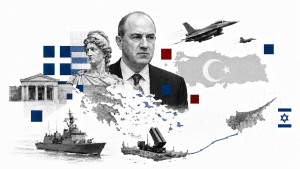
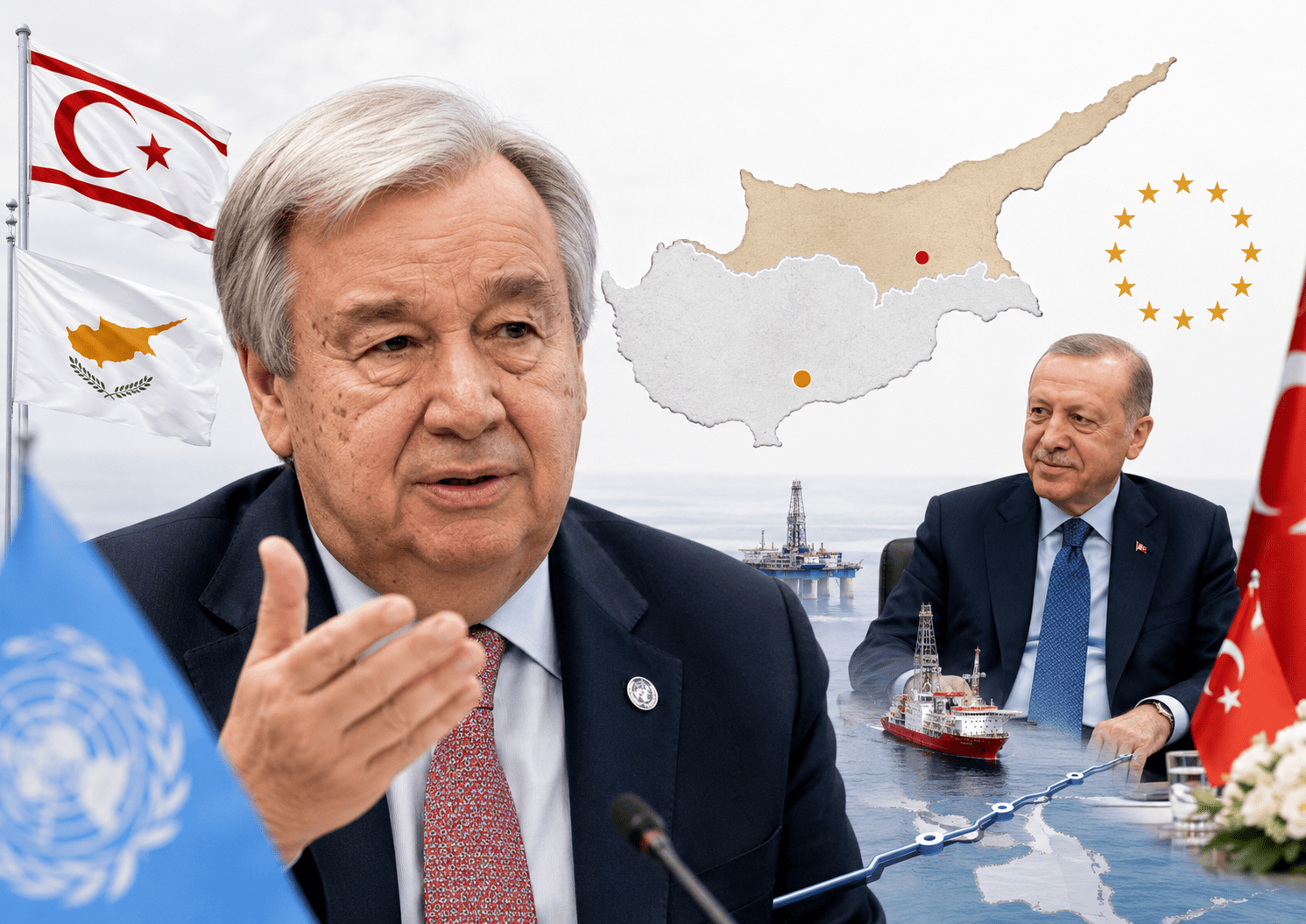

United Nations Secretary-General António Guterres will visit Cyprus from 27 to 29 July as he enters the final months of his term. He is expected to meet the Turkish Cypriot and Greek Cypriot leaders in an effort to revive a political process that has long remained stalled. Yet time is running short, while the two sides’ visions of a settlement remain far apart.
It is unrealistic to expect Guterres to resolve the Cyprus issue completely before leaving office. He may, however, establish a new framework for negotiations, bring the parties back to the table and accelerate confidence-building measures. President Recep Tayyip Erdoğan’s good relationship with Guterres also gives Türkiye an important diplomatic advantage. During Guterres’ recent Ramadan solidarity visit to Türkiye, Erdoğan hosted him in Ankara and presented him with the Atatürk International Peace Award. Foreign Minister Hakan Fidan’s meeting with María Ángela Holguín, the UN Secretary-General’s Personal Envoy on Cyprus, ahead of the visit also shows that Ankara is closely following the process at the highest level.
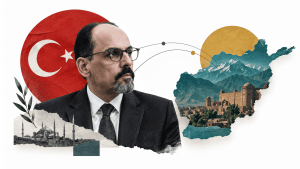
Türkiye’s position is clear. Ankara believes that the federal model has failed to produce results and now supports the coexistence of two states on the island. This position is rooted in past experience. In the 2004 referendum on the Annan Plan, Turkish Cypriots voted in favor of the reunification proposal, while the Greek Cypriot side rejected it. Despite this, the Greek Cypriot administration was admitted to the European Union as though it represented the entire island, while the isolation of Turkish Cypriots largely continued.
Türkiye therefore argues that any new process can only be meaningful if the sovereign equality and equal international status of the Turkish Cypriot people are recognized. This is also the greatest obstacle facing Guterres. The UN continues to base its approach on a bicommunal, bizonal federation, while Ankara and the Turkish Republic of Northern Cyprus advocate a two-state solution.
The European Union also wants to become more involved in the Cyprus process. Brussels’ appointment of a special envoy reflects this ambition. However, the European Parliament’s one-sided resolutions on Cyprus and its tendency to overlook the grievances suffered by Turkish Cypriots raise serious questions about the EU’s impartiality. The fact that the Greek Cypriot administration is itself an EU member also makes it difficult for Brussels to act as an independent mediator.
Türkiye, meanwhile, is pursuing a more active policy not only diplomatically but also on the ground. Plans to build a natural gas pipeline to the Turkish Republic of Northern Cyprus could add a new dimension to the energy equation in the Eastern Mediterranean. The possibility of transporting gas discovered around Cyprus to Europe through Türkiye could turn energy cooperation into an important incentive for a settlement. Türkiye’s NAVTEX declaration also signals that the maritime rights of Turkish Cypriots and their claims over natural resources in the Eastern Mediterranean will be defended in practice.
The most realistic option available to Guterres is not to impose an immediate final settlement model, but to create a new climate of trust between the parties. Progress on crossing points, energy-sharing arrangements, economic cooperation and the political equality of Turkish Cypriots could reopen the way toward a broader settlement.
Ultimately, it will be difficult for Guterres to resolve the Cyprus issue completely before leaving office. Yet by drawing on his strong dialogue with Erdoğan, he may be able to keep Türkiye at the center of the process, bring the parties back to the negotiating table and place the equality of Turkish Cypriots more firmly on the international agenda. Guterres’ real achievement would not be to reunify the island, but to establish a new negotiating framework capable of overcoming more than half a century of deadlock, respecting the sovereign equality of Turkish Cypriots and reflecting the realities on the ground.