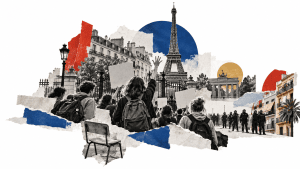
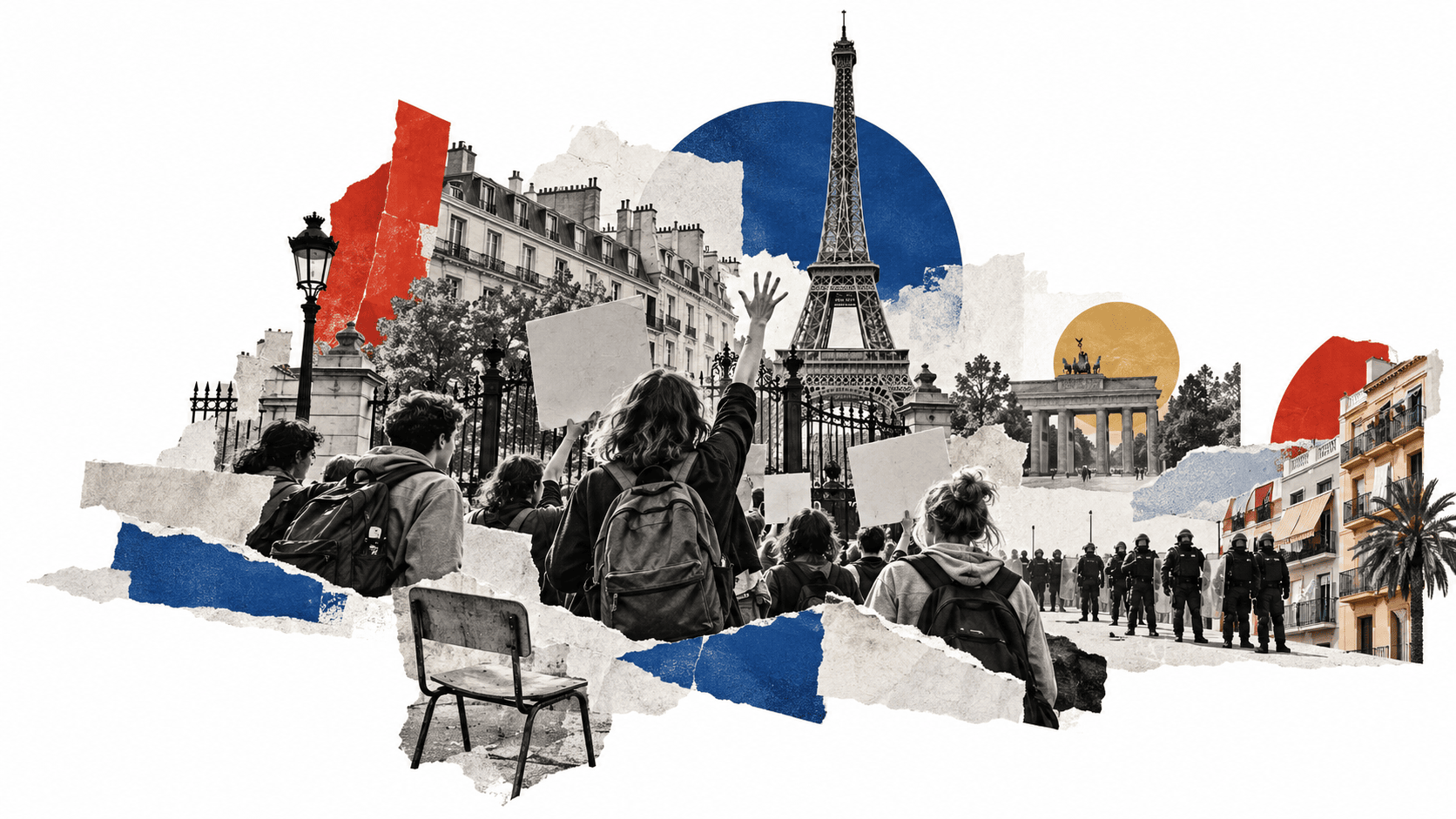
In France, protests outside school gates have become a political test the government is struggling to manage. High school students are at the heart of the movement. According to AFP, the protests began on September 17 at Lycée Saint-Exupéry in Créteil before spreading across the country. By midday on October 2, protests or disruptions had been reported at 564 educational establishments, while around 400 high schools were closed.
The students’ demands are concrete: fill teaching vacancies, reduce overcrowding in classrooms, repair deteriorating buildings and provide more funding for education. Long school days and the university admissions system are also drawing criticism. Problems in schools are weakening young people’s belief that education can offer them a better future.
By October 2, the toll was substantial. According to ministry figures cited by Le Monde, police had apprehended 3,178 people since Monday, of whom 1,793 had been formally placed in police custody. On October 1 alone, 1,949 people were apprehended. Speaking on the morning of October 2, Justice Minister Gérald Darmanin put the number placed in police custody since the movement began at approximately 2,000.
Police have used tear gas and batons to disperse demonstrations, placing their use of force under scrutiny. According to Reuters, four investigations have been opened into allegations of police violence. Fires at some schools and attacks on education staff have also been reported.
Across Europe, Anger Is Rooted in Young People’s Fading Sense of a Secure Future
The protests in France and those taking place elsewhere in Europe reveal the gulf between the sacrifices expected of young people and the opportunities available to them.
In Germany, young people took to the streets to oppose the prospect of compulsory military service and mandatory military medical examinations. According to WDR, protests were called in more than 80 cities for September 25.
In Spain, the housing crisis is driving public anger. According to an October 2 Reuters report, protesters vowed to return to the streets after parliament rejected the government’s proposed response to the crisis. The eviction of an 87-year-old woman from her home was another incident that intensified public outrage.
In France, the protests could spread beyond students to other sections of society. The movement could gain broader support if teachers’ demands over working conditions, students’ calls for quality education and parents’ concerns about their children’s futures come together around a shared platform.
If public-sector workers’ objections to budget policies converge with these demands, pressure on the government could increase. Industrial workers, farmers and transport workers could also join the protests. Such an expansion would not happen automatically, however. It would depend on whether these groups can bring their distinct demands into a common movement.
The police response could prove decisive. Serious injuries and footage suggesting a disproportionate use of force could turn protests centred on education into a broader movement demanding justice and freedom of expression. Conversely, escalating violence could deter some students and families from participating, while damage to schools could undermine public support.
These developments also raise an important question for European security policy: how can governments retain public support while strengthening their defence capabilities and resilience to crises? France’s budget pressures make that question harder to answer. According to Reuters, the draft budget for 2027 provides for a 1.7% increase in education spending, below inflation, while interest payments on public debt are set to reach €74.5 billion.
Asking people who already struggle to meet basic needs such as education and housing to make further sacrifices for external security could become increasingly difficult. Europe’s resilience also depends on its ability to give young people the conditions they need to build their futures with confidence. That is why the demands being voiced outside school gates today could shape tomorrow’s budget decisions, defence policies and even voting behaviour.