
The first phase of the Gaza ceasefire agreement, which came into effect on October 10, 2025, aimed to facilitate the exchange of hostages, increase humanitarian aid, and reduce hostilities. Yet throughout this period, Israeli military operations never fully ceased, restrictions on humanitarian assistance remained in place, and both sides repeatedly accused each other of failing to honor their commitments. Despite these setbacks, international mediators continued negotiations, culminating in a new 15-point roadmap designed to complete the second phase of the ceasefire.
The second phase is intended not only to end the fighting but also to establish a framework for Gaza’s post-war governance. Under the roadmap, the parties would spend the first fourteen days agreeing on an implementation timetable. Civil administration of Gaza would be transferred to the National Committee for the Administration of Gaza (NCAG), composed of technocrats. An International Stabilization Force would help maintain security on the ground, while an International Verification Committee would monitor whether both Israel and Hamas comply with their obligations.
The plan calls for a complete cessation of hostilities, uninterrupted humanitarian access, the launch of Gaza’s reconstruction, and the disarmament of armed groups. Rather than being immediately destroyed, Hamas’ weapons would be collected and placed under the supervision of the National Committee for the Administration of Gaza.
Hamas and other Palestinian factions have responded positively to the proposal. However, Hamas has made its approval conditional on Israel halting its military operations, fulfilling all commitments made during the first phase, and agreeing on a clear implementation timetable. Consequently, it is still too early to conclude that Hamas has agreed to fully disarm.
Israel, meanwhile, has objected to three key elements of the roadmap. First, it rejects the requirement to completely halt its military operations. The Israeli government insists on preserving the right to conduct military strikes whenever it deems necessary, including in areas where the International Stabilization Force would be deployed.
The second objection concerns Hamas’ weapons. While the roadmap proposes placing them under international supervision, Israel insists that they must be completely destroyed.
Israel’s Objection to Türkiye
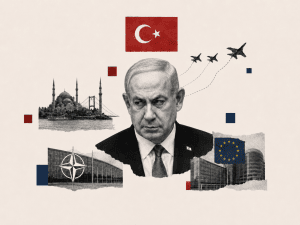
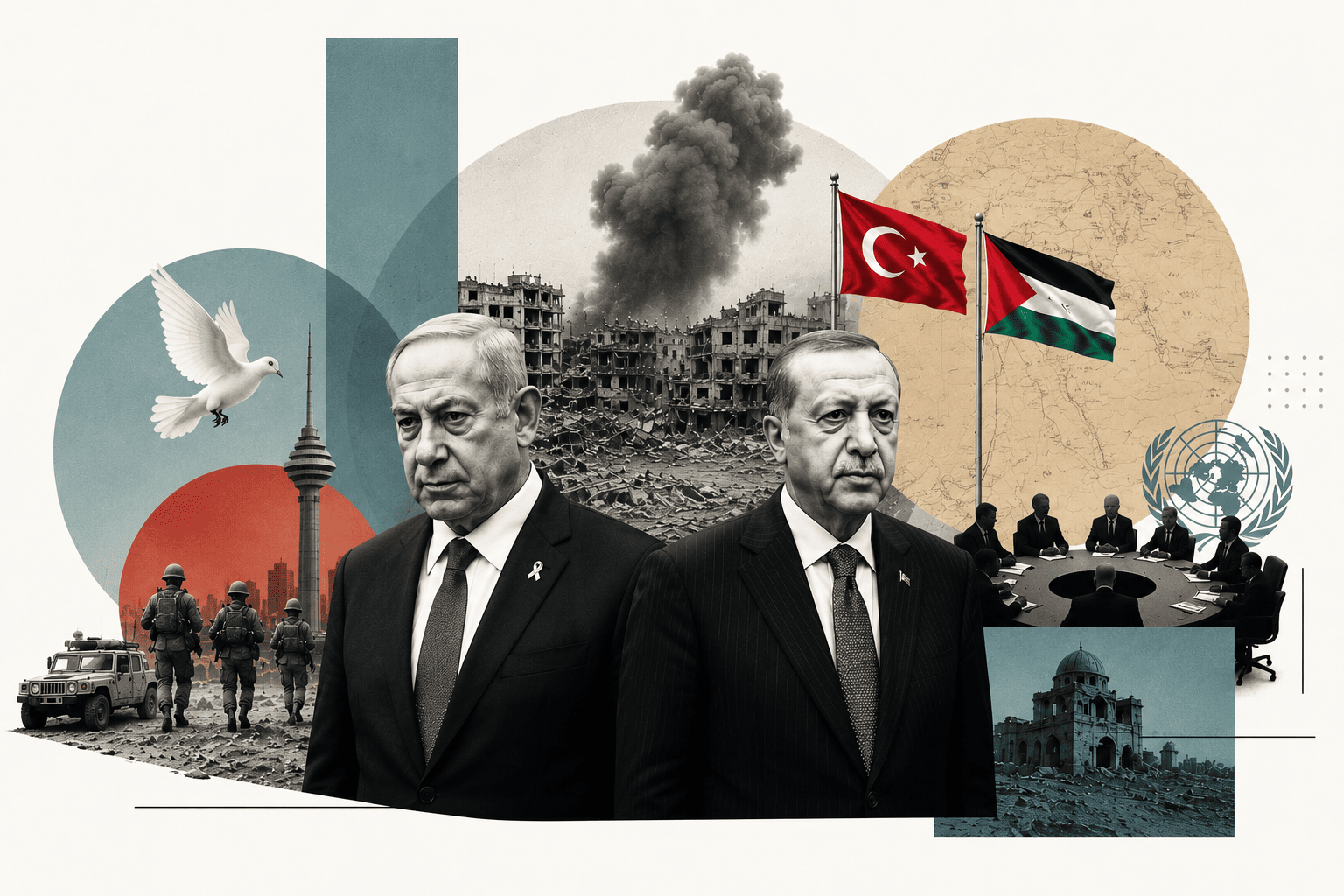
Israel’s third objection concerns Türkiye’s role in the implementation of the agreement. Tel Aviv opposes the participation of both Türkiye and Qatar in the International Verification Committee, which would oversee compliance with the roadmap.
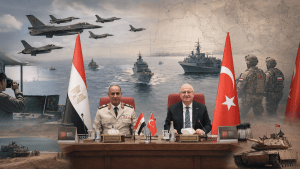
Israel also opposes the deployment of Turkish troops as part of the International Stabilization Force. In other words, it does not want Türkiye to play either a political oversight role or a military role on the ground in Gaza.
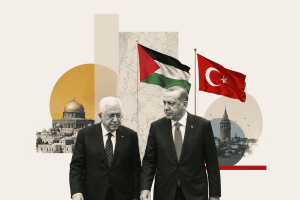
This position reflects more than security concerns alone. Türkiye’s diplomatic influence on the Palestinian issue, its ability to maintain dialogue with Hamas and other Palestinian actors, and the role it could play in Gaza’s post-war order have made Ankara a strategic concern for Israel. Excluding Türkiye from these mechanisms can therefore be seen as part of a broader struggle over who will shape Gaza’s future political and security architecture.
Ultimately, the roadmap for the second phase offers an important opportunity to achieve lasting peace in Gaza. Yet Israel’s refusal to fully halt military operations, disagreements over the future of Hamas’ weapons, and objections to Türkiye’s role demonstrate that the most difficult stage of the negotiations is still ahead. Lasting peace in Gaza will depend not simply on a ceasefire, but on both parties fully honoring the commitments they have agreed to.