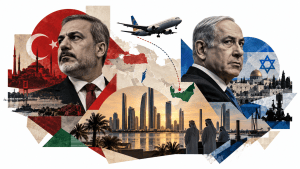
In recent years, Türkiye has transformed into a country that breaks from conventional diplomatic patterns, conducting its relationships with both East and West simultaneously and leveraging that balance to gain increasing influence on the world stage. Erdogan, the architect of this transformation, continues to make his strategy visible through concrete steps. The strategy is not one-dimensional: it aims to position Türkiye as a crossroads of energy corridors, defense partnerships and critical diplomatic contacts, while turning Istanbul into the flagship city of that positioning.
Three Axes, One Goal: Energy, Defense and Diplomacy
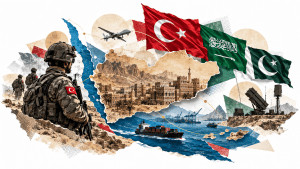
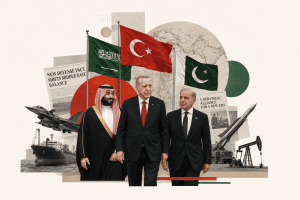
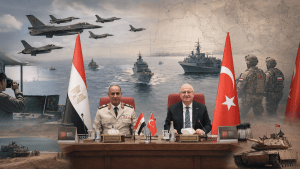
Türkiye’s recent transformation is best understood through three interconnected axes. The first is energy: Türkiye sits at the junction of pipelines carrying Russian and Middle Eastern gas to Europe, and is making increasingly active use of this geographical advantage. The second is defense: from domestically produced unmanned aerial vehicles to high-profile military exercises, and from its distinctive stance within NATO to defense partnerships forged with foreign companies, Türkiye has become a globally significant actor. The third, and perhaps the most dynamic, is diplomacy.
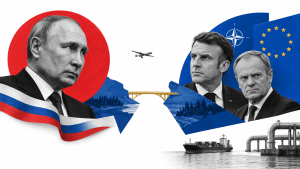
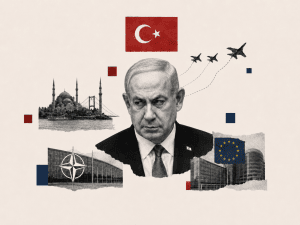
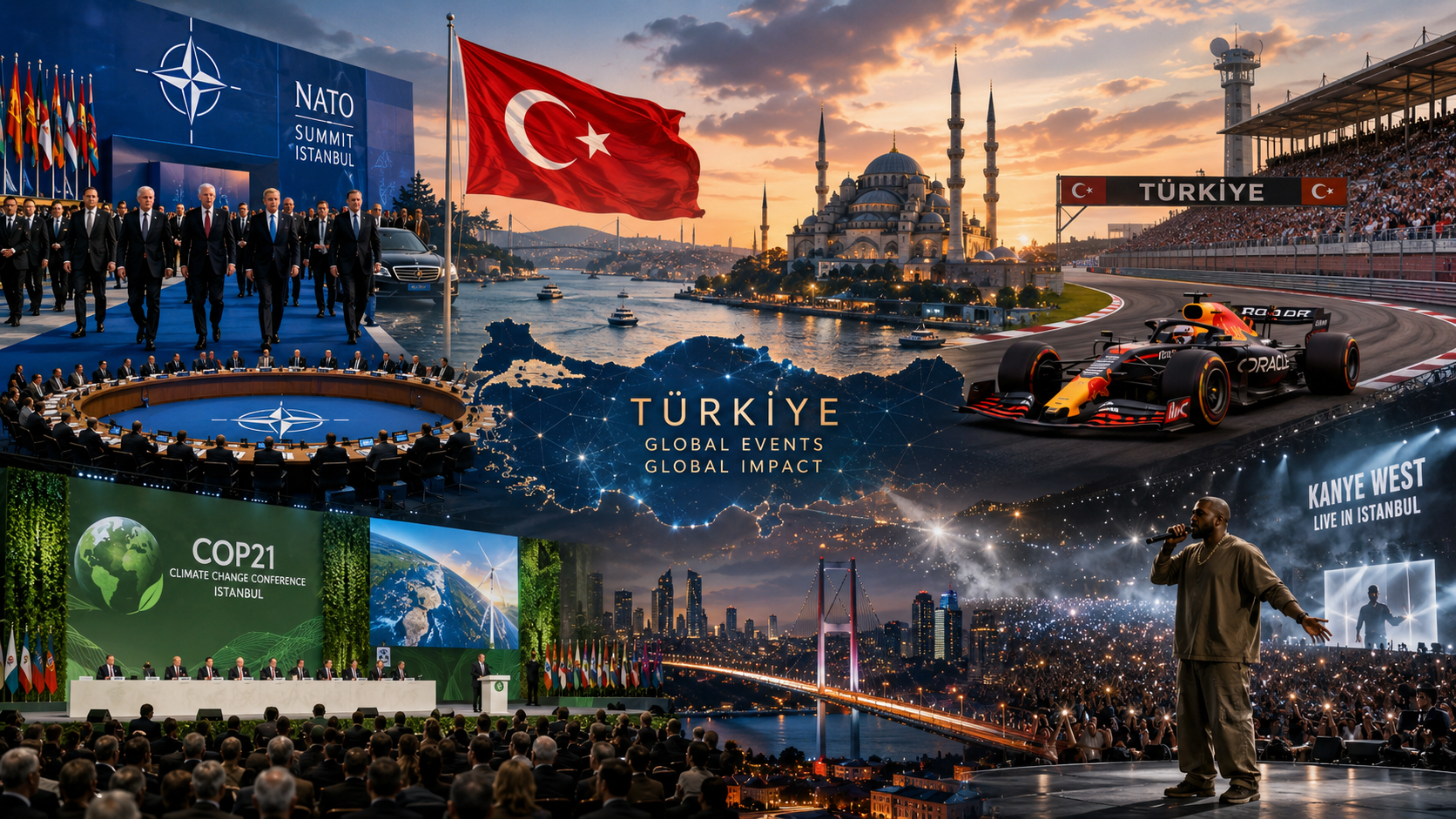
The diplomatic dimension of these three axes has been especially active of late. The hosting of the NATO Summit in Türkiye and the announcement that President Trump will attend in person strengthen Ankara’s position within the Alliance. Against the backdrop of the ongoing Russia-Ukraine war, Zelensky’s view of Türkiye as the venue for a potential meeting with Putin is no coincidence. It is the tangible product of the communication channels Ankara has maintained with both sides. The appointment of US Ambassador to Türkiye Tom Barrack as special envoy for both Syria and Iraq further underscores Türkiye’s weight in the Middle Eastern equation.
Hosting the COP31 Climate Conference adds yet another layer to this picture. Taking on such a critical platform at a moment when debates over the energy transition are intensifying reveals that Türkiye wants a say not only in power politics, but in shaping the global agenda of the future.
Istanbul: Beyond a City, an International Centre of Gravity
The most visible face of this strategy is Istanbul. Erdogan aims to redefine the city not merely as Türkiye’s showcase, but as an independent pole of attraction competing with global financial centres such as Dubai and Singapore. The most concrete step taken in pursuit of this vision is a comprehensive tax exemption package offered to people living abroad who have not been tax residents in Türkiye for the past three years. Those who return will pay no taxes in Türkiye on their foreign-sourced income and earnings for twenty years. The measure also sends a political message to the diaspora: Türkiye is incentivising return with tangible advantages.
Cultural and sporting initiatives are equally integral to this transformation. The return of Formula 1 to Istanbul reflects a determination to make the city a permanent fixture on the global sporting calendar. The choice of Istanbul as a stage by figures such as Kanye West, Travis Scott and Andrea Bocelli elevates the city far beyond a tourism destination: Istanbul has become a new landmark on the global cultural map.
Taken together, these developments point to a clear reality: under Erdoğan’s leadership, Türkiye is no longer merely watching the global agenda from the sidelines; it is now moving toward the center of the table where decisions are made.