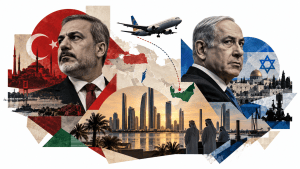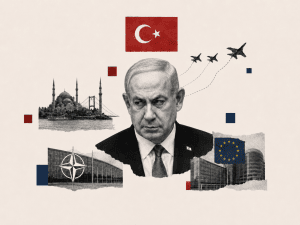
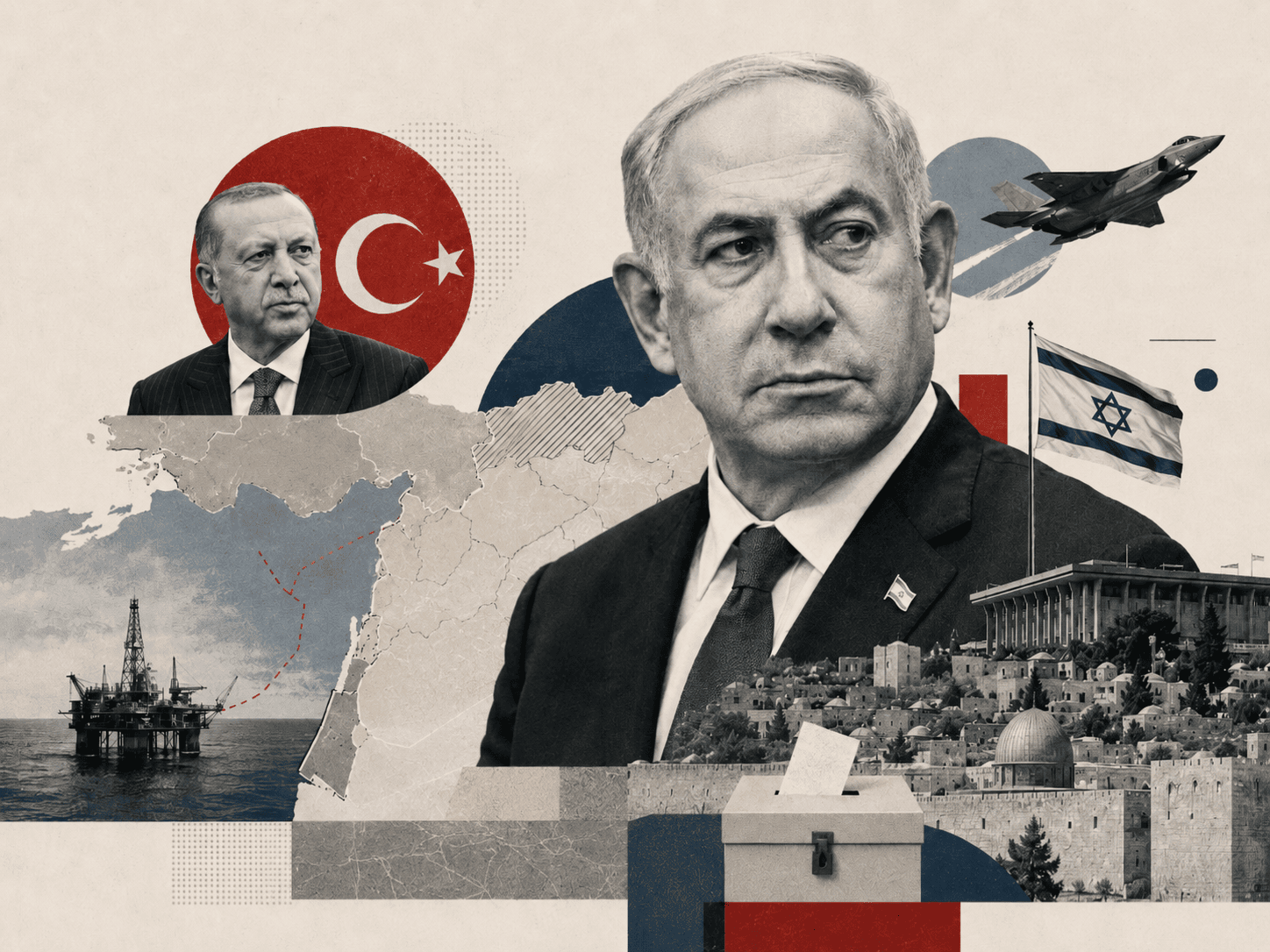

Binyamin Netanyahu is once again preparing to enter an election campaign under the image of “Mr. Security,” as he is often described in Israel. This time, however, he has placed Türkiye alongside Iran at the center of his electoral strategy.
The tensions between Türkiye and Israel are not, of course, an artificial narrative invented entirely by Netanyahu. In the aftermath of the war in Gaza, public anger toward Israel has spread across a much broader segment of Turkish society. Ankara’s increasingly harsh rhetoric, the diplomatic rupture and conflicting regional interests have also widened the distance between the two countries.
Netanyahu, however, is trying to turn this situation into political capital rather than ease it.
After Donald Trump suggested that F-35 sales to Türkiye could resume, Netanyahu appeared on American television networks to argue that such a move would upend the balance of power in the Middle East. In reality, the “balance” he refers to is primarily the preservation of Israel’s air superiority in the region.
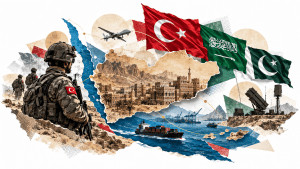
Türkiye’s expanding defense industry, its military presence from Syria to Somalia and its growing regional influence are a genuine source of concern in Israel. Israeli security circles are increasingly debating the possibility that Türkiye could emerge as an even more powerful actor in the vacuum created by Iran’s weakening regional position.
Netanyahu, however, is placing a strategic rivalry at the heart of an election campaign.
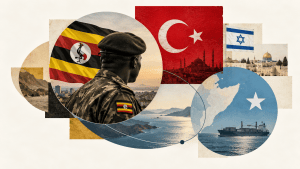
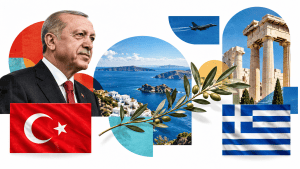
Israel’s recognition of the events of 1915 as “genocide,” its deepening military cooperation with Greece and the Greek Cypriot administration, its efforts to bring anti-Türkiye constituencies in Washington onto the same line and its attempt to open a new sphere of influence in the Horn of Africa through Somaliland all form part of a broader policy aimed at limiting Ankara’s room for manoeuvre.
Netanyahu’s domestic political calculations are just as important as the foreign-policy dimension of these moves.
Israel is approaching an election. Netanyahu will face voters as a leader who failed to prevent the October 7 attacks, end the war in Gaza, bring back the hostages or stop Israel’s growing isolation. With his security record under intense scrutiny, he once again needs to deliver the message: “Only I can protect Israel.”
This is precisely the point highlighted by Haaretz. By portraying Türkiye as Israel’s new strategic adversary, Netanyahu is trying to re-establish himself as an indispensable security leader. Foreign Policy has likewise argued that concerns about Türkiye are not entirely unfounded, but that the threat is being deliberately magnified for electoral purposes.
The issue is not whether serious problems exist between Türkiye and Israel. They do. Mutual distrust runs deep, and regional competition is becoming increasingly intense.
The real issue is Netanyahu’s decision to escalate these tensions in order to preserve his grip on power rather than manage them responsibly.
For Netanyahu, Türkiye is no longer merely a strategic rival. It has also become a powerful source of fear that can be exploited during an election campaign. This strategy may win votes in the short term. But every threat amplified for domestic political gain risks producing consequences in foreign policy that become increasingly difficult to control.