
In an article titled “The Power Struggle Türkiye Emerged From Stronger,” Le Monde diplomatique sums up, in one particularly striking sentence, why Ankara has recently regained importance in Western capitals: “It is not Ankara’s policy that has changed, but its strategic value.”
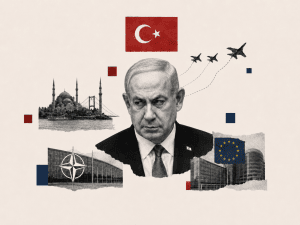
This observation is crucial to understanding the transformation taking place in relations between Türkiye and the West. Washington’s decision to reopen the F-35 file, Europe’s growing interest in the Turkish defence industry and NATO’s willingness to give Ankara greater room for manoeuvre do not stem from a change in Türkiye’s foreign policy. What has changed is the needs of the international system and Türkiye’s weight within it.
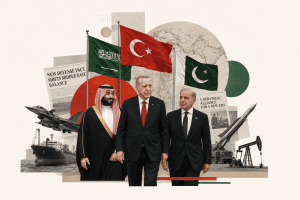
Indeed, there has been no fundamental shift in the course pursued by Recep Tayyip Erdoğan. He continues to engage in power struggles with his allies when necessary, maintains dialogue with Moscow and supports the new authorities in Syria.
For years, Türkiye has conducted its relations with the West not through unconditional alignment, but through cooperation where interests converge and negotiation and resistance where they diverge. Despite being a member of NATO, Ankara has not severed its ties with Russia. While maintaining relations with the European Union, it has refused to accept the limited role Brussels sought to assign to it. In the Middle East, the Caucasus, Africa and the Eastern Mediterranean, it has continued to act according to its own priorities.
In the past, this policy was criticised in the West through labels such as “axis shift,” “unreliable ally” and “diplomatic isolation.” Today, the very same approach is increasingly being reinterpreted as strategic autonomy and multidirectional diplomacy.
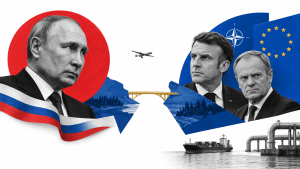
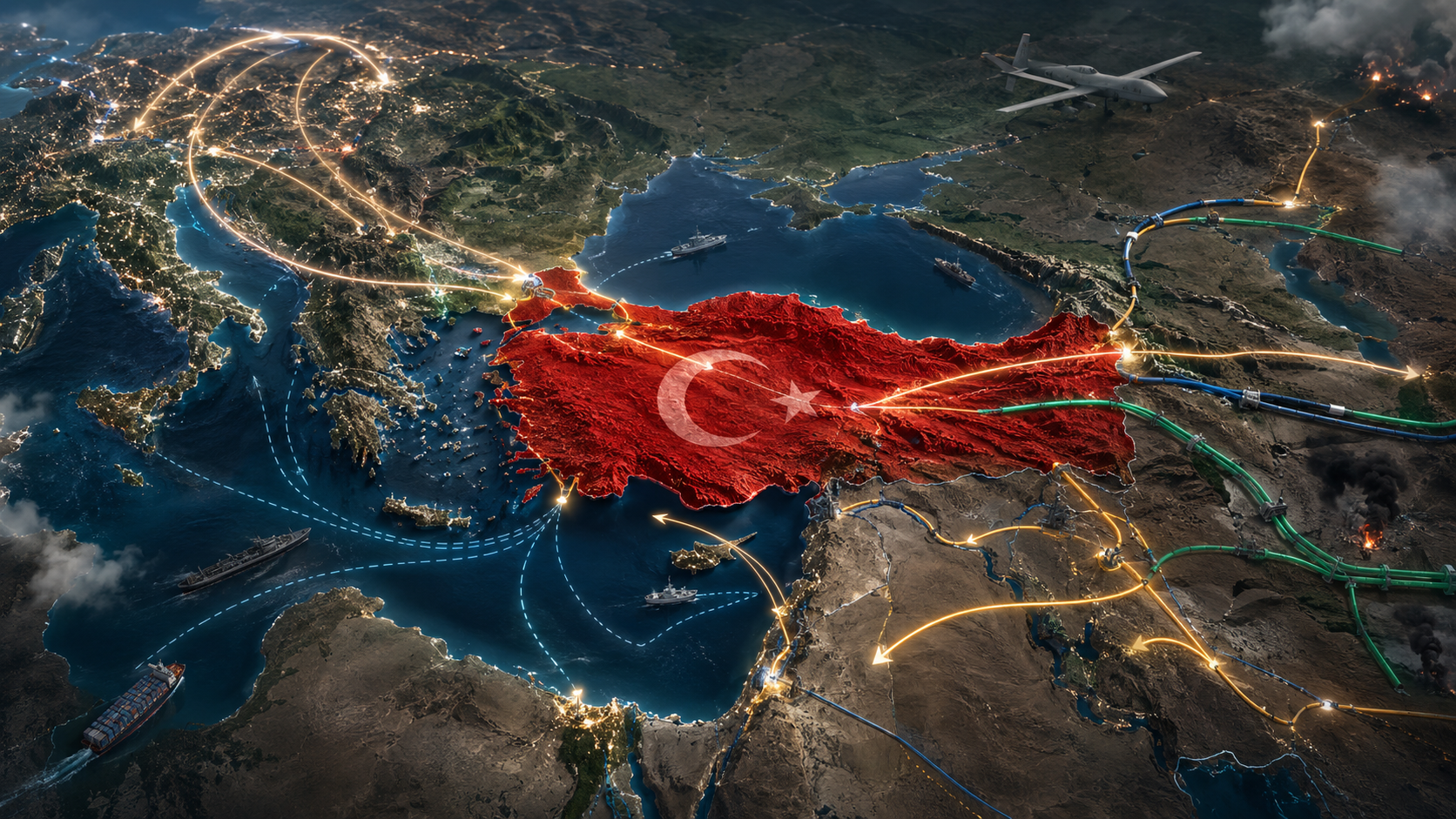
“The war in Ukraine, Europe’s rearmament process and tensions with Iran have further increased Türkiye’s importance. It controls access to the Black Sea through the Turkish Straits, Turkish drones are being used across multiple fronts, and its defence industry is attracting growing interest from a Europe seeking to rearm. Each new crisis further strengthens Ankara’s bargaining power,” Le Monde diplomatique writes.
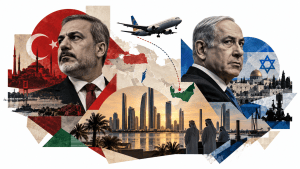
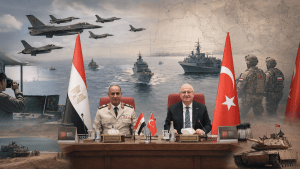
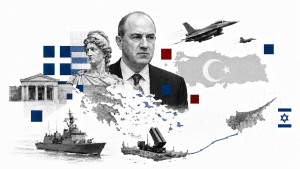
Türkiye is no longer valuable merely because of its geographical position. Its military capabilities, defence production, diplomatic reach and ability to establish a presence on the ground in crisis zones are also making it increasingly indispensable. At a time when Europe needs ammunition, unmanned aerial vehicles and rapid production capacity, Türkiye’s defence industry cannot be overlooked. Ankara, which controls the Straits, cannot be excluded from discussions on Black Sea security. Nor does it seem possible to disregard Türkiye when considering Syria’s future, the balance of power in the Caucasus or the emerging rivalries reshaping the Middle East.
The change in the West’s attitude towards Türkiye therefore stems less from a convergence of values than from unavoidable strategic realism. Ankara did not move towards the position the West wanted it to adopt. Instead, the West was forced to confront the strategic consequences of the course Türkiye has pursued for years.
In essence, Ankara remains the same. What has changed is how much the world now needs it.